




Buckwheat: From Cossack “Fuel” to the Nation’s Superfood

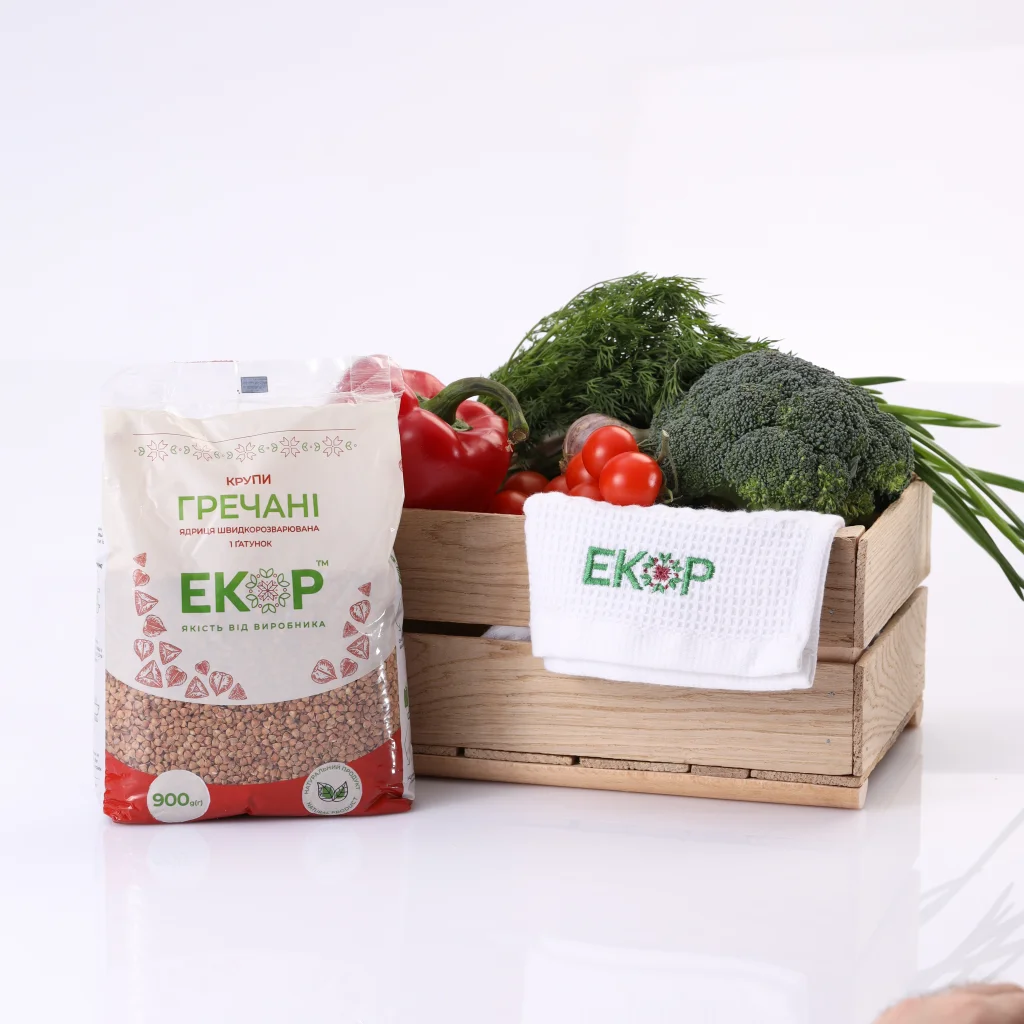
Buckwheat groats. We are used to seeing them on our plates from childhood — as simple porridge with butter or as a side dish to our favorite meals. But have you ever thought that buckwheat is a true star among foods? While the world is fascinated with trendy quinoa, we have had our own accessible and powerful superfood for centuries.
Most people consider buckwheat a grain. In fact, it is the seed of a plant classified as a pseudocereal. It is not related to wheat or rye — botanically, buckwheat is closer to sorrel and rhubarb.
That is why it is naturally gluten-free and perfectly suitable for people with gluten intolerance or for those who consciously reduce gluten in their diet. This makes buckwheat a versatile product for modern nutrition.
Buckwheat has been cultivated in the territory of Ukraine since the 14th century. It has become deeply rooted in our culture and gastronomic tradition. For the Cossacks on military campaigns, it was the ideal food: quick to cook, easy to store, takes up minimal space, and provides long-lasting satiety.
In fact, it was a “Cossack energy booster” — simple, nourishing, and reliable. And today it is valued for the very same qualities: practicality and high nutritional value.
Buckwheat is a true concentrate of benefits. It contains:
• iron, essential for maintaining normal hemoglobin levels;
• magnesium, which supports the nervous system;
• complete plant-based protein;
• important amino acids.
It is perfect for athletes, vegetarians, and anyone who cares about balanced nutrition. Buckwheat does not simply satisfy hunger — it provides steady energy without sharp spikes in blood sugar.
Today, buckwheat confidently stands alongside bulgur and quinoa. But unlike imported trends, it is part of our culinary identity.
It is more than just a side dish. It is a symbol of home warmth, resilience, and simplicity that works. Buckwheat is our local superfood — one that does not need a trendy rebrand to prove its value.